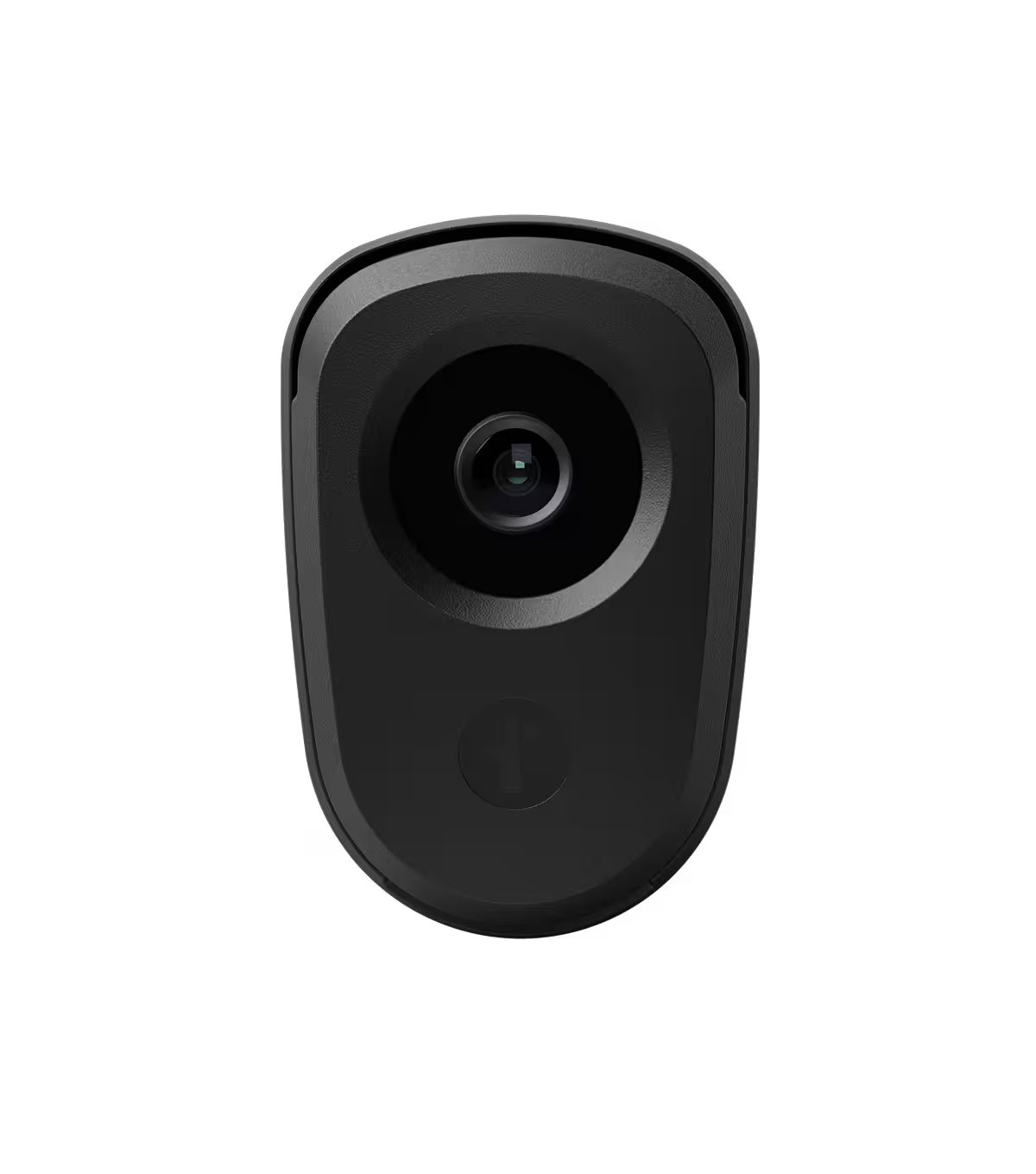
Scottsdale's dispute over Flock cameras had not ended with a final ban when this edition was prepared. Arizona's Family reported on October 7 that the council would return to a vote in December, after hearing supporters and opponents. That unfinished decision is more revealing than a simple story about a city buying or abandoning technology. It shows that an installed system can still need to win permission to remain. Arizona's Family's October 7 council report
Our central finding is that networked security has a second scaling problem beyond hardware deployment. The broader the information-sharing network becomes, the harder it can be for a local buyer to explain the boundaries of its own decision. A camera purchased for a local purpose can become part of a much wider set of searches and relationships.
The local purchase has a wider reach
Automated license-plate readers turn passing vehicles into searchable observations. Connecting those observations can help investigators find a vehicle beyond the location where a crime was reported. That is part of the appeal. It is also why the policy question cannot stop at how many cameras one city installs.
Arizona Mirror's September 25 reporting, based on records it obtained, described substantial use of some Arizona agencies' data by agencies outside the state. Its findings concern the agencies and records examined, not every Flock customer. They nevertheless illustrate the mismatch between the location of collection and the location of subsequent use. Arizona Mirror's September 25 records reporting
For residents, the relevant boundary may therefore be who can search, for what purpose and under whose review. For a city administrator, it may be whether those boundaries can be explained and enforced. These are operating questions as much as political ones, because they determine whether a system retains institutional support.
Safeguards differ across customer types
Flock's September explanation of its privacy updates makes an important distinction: a new seven-day default retention period applies to new law-enforcement customers, while private-sector customers keep their established account terms. The company also describes mandatory multi-factor authentication and tools intended to document searches and support review. A headline about a shorter default should not be read as a universal deletion rule across the network. Flock's account of its privacy and security updates
This is not a minor product detail. When public and private cameras can participate in sharing arrangements, different retention and access settings affect the information available to investigators. A local policy needs to describe the actual configuration and relationships, not simply repeat a platform-wide assurance.
Flock says private customers control sharing and that it does not sell customer data. Those are the company's stated positions. They answer some concerns, but they do not eliminate the need to examine how an authorized user exercises access or how an administrator detects and responds to misuse. Technical security and legitimate use remain separate questions. Flock's account of its privacy and security updates
Better capability can raise the governance burden
As search becomes easier and more expressive, the effort required to ask a question falls. That can make legitimate investigations more efficient. It can also increase the number and range of questions that an oversight process must be able to assess. A system can become operationally more capable while becoming institutionally harder to supervise.
This is the autonomy connection: automation moves work from manually collecting observations toward generating and reviewing queries, leads and alerts. The bottleneck may shift into authorization and accountability. If that process does not scale alongside capability, the technology can outrun the institution's ability to explain its use.
The commercial consequence is that governance features can affect retention of customers, not just compliance paperwork. Clear access boundaries, meaningful review and usable records may become part of the product's long-term value. This is an inference from the dispute and system design, not a measured estimate of Flock's churn or sales impact.
The strongest case for keeping the system
Police supporters argue that the technology helps solve crimes, a position included in Arizona's Family's September coverage of Scottsdale's review. A responsible account must preserve that claim rather than assume that concern about misuse disproves investigative utility. It must also distinguish reported successes from a controlled assessment of the system's overall effect. Arizona's Family's September council-review coverage
The hard decision is whether the benefits, limits and oversight arrangements are persuasive together. A useful audit would examine authorized searches, questionable use, access changes and the contribution of results to investigations. Counting only searches or only successful cases would leave the central question unresolved.
Watch the terms of continued use
The next important signal is not merely whether Scottsdale retains a contract. It is whether any decision defines enforceable sharing, retention and review conditions, and whether the city can show how those conditions work. Other jurisdictions may choose different boundaries for legitimate reasons.
Flock's network illustrates a larger rule for autonomous security: permission to deploy is not permanent permission to expand the use. A company that makes the boundaries understandable and accountable may gain an advantage that better recognition alone cannot deliver. The durable product is both a capability and a defensible agreement about its use.
References
Questions, news tips or corrections? Contact info@securityautonomyreview.com.