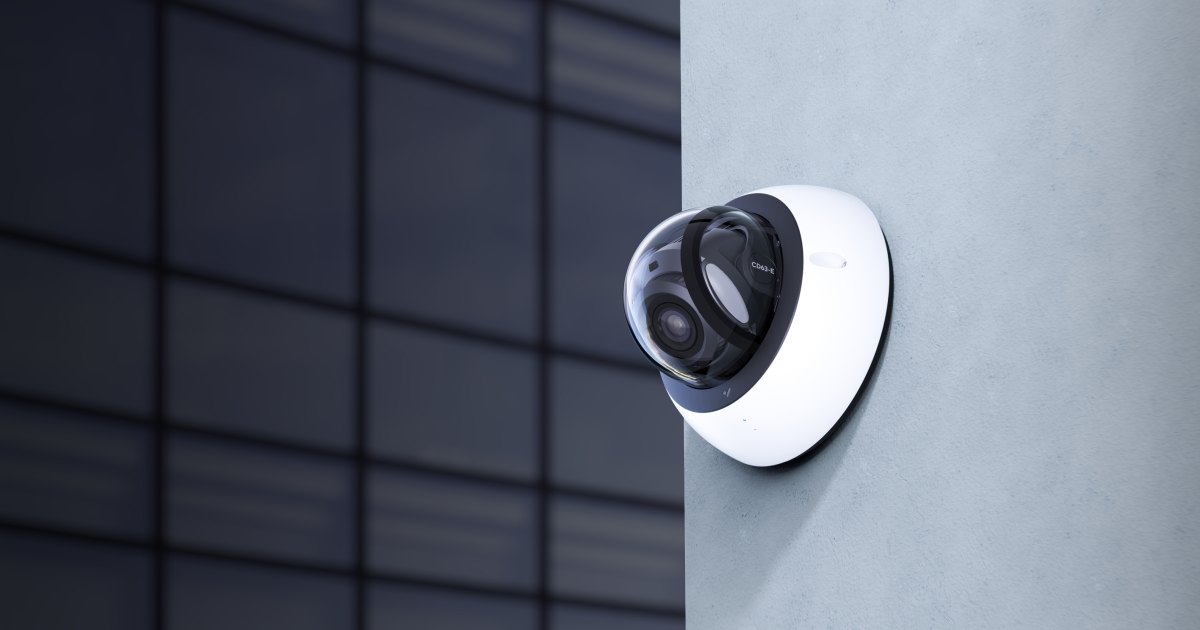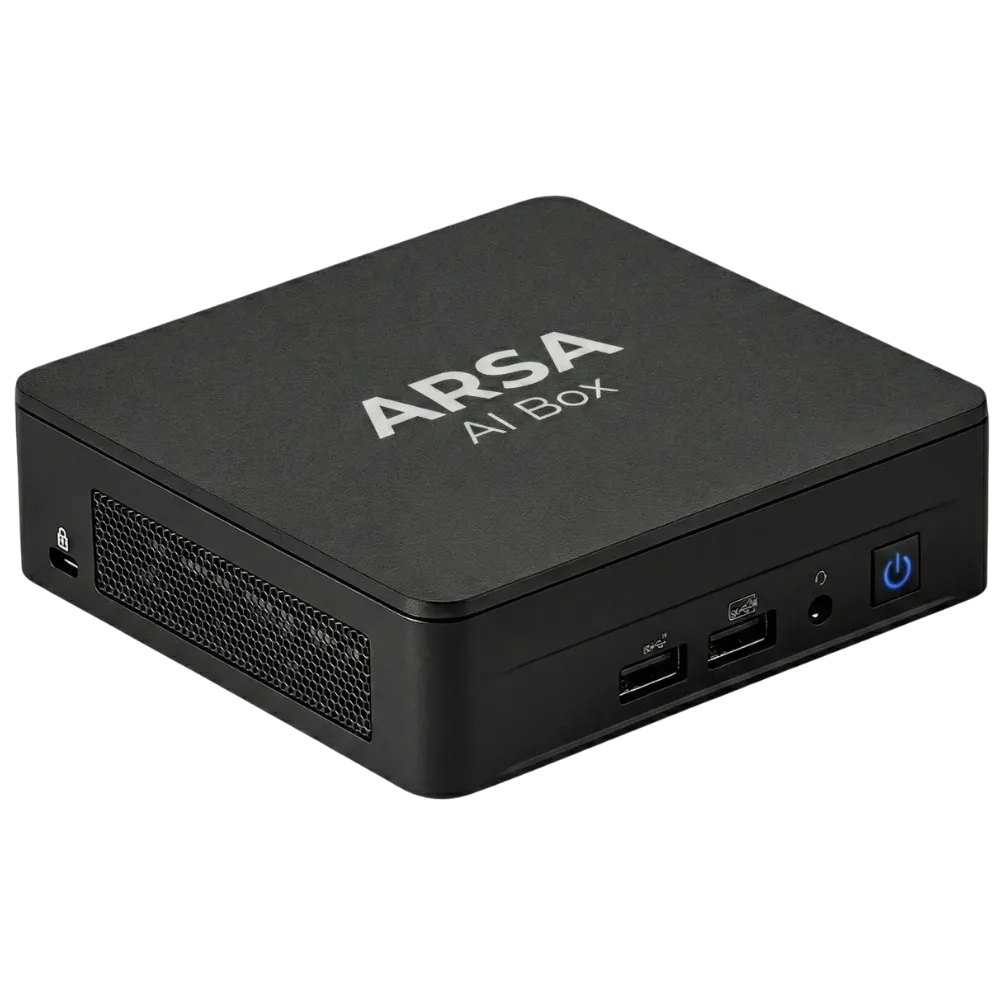
The most interesting part of ARSA's new edge video appliance is what the customer may not have to buy: another camera. SecurityInfoWatch's October 9 product coverage describes the ARSA AI Box connecting to existing IP CCTV streams and running analytics on site. This is a recent product announcement with limited independent performance evidence, not proof of a market-leading deployment. October 9 ARSA product coverage
It nevertheless exposes a consequential business question. If useful intelligence can be added beside existing cameras, some of the next security investment may go to computation and integration rather than replacing the devices on the wall. The ability to make an installed estate useful could become more valuable than selling a better individual camera.
Recording is not the same as observing
A camera can record continuously while contributing little to a decision made in time to matter. Someone must notice a relevant event, understand its location and decide whether to respond. Buying more cameras increases the amount of available evidence, but it can also increase the review burden.
ARSA's product materials describe local modules for safety, retail counting, traffic monitoring and digital-signage audience measurement. These are different applications of video analysis, not interchangeable measures of security effectiveness. A people-counting result may be useful operational data without establishing that a system can identify a dangerous incident. ARSA AI Box product architecture
The autonomy opportunity is narrower and more practical: automate a defined observation from footage already being captured, then route that observation into a useful workflow. For example, a configured hazard-zone alert could prompt a supervisor to inspect a location. The model's output remains a claim about a scene that needs an appropriate response process.
The camera becomes an input, not the whole product
The appliance connects through ONVIF or RTSP, according to ARSA's published description. This separates the analytics purchase from the camera purchase to some degree. ONVIF's profile system also shows why the details matter: compatibility depends on supported functions and profiles, not merely a vendor's use of the word open. ARSA AI Box product architectureONVIF profile definitions
An existing stream may have the wrong angle, insufficient detail, difficult lighting or intermittent connectivity for the intended analysis. Reusing it is valuable only if it supports the task. A low-cost retrofit that produces frequent unhelpful alerts can consume more staff time than it saves.
That creates a service opportunity for integrators. The work moves toward evaluating scenes, selecting useful tasks and maintaining configurations as a site changes. A camera aimed at a loading area during installation may later face stacked pallets or a changed vehicle route. Autonomous monitoring still depends on someone knowing what the scene is supposed to reveal.
Local processing changes the dependency map
ARSA describes its analytics as continuing offline, with video remaining on the customer's network unless the customer chooses otherwise. That can matter at sites with restricted connectivity or policies against sending footage to an external service. It is a vendor architecture claim to verify in the installed configuration, not a universal statement that local systems are private or secure. ARSA AI Box product architecture
Processing an event locally does not guarantee that the person who needs it will receive it. If a notification relies on a remote email service, an external ticketing system or a disconnected control room, the end-to-end workflow can still fail during an outage. The useful test separates detection, local display, notification and response.
The comparison with cloud services is therefore about the complete operating model. Milestone's video-summarization documentation, for example, describes cloud processing for a different kind of analysis. That may suit a connected investigation workflow even when it would not suit an isolated site. Architecture should follow the task rather than serve as an ideological choice. Milestone's video-summarization architecture Q&A
The counterargument: integration is the expensive part
An appliance can simplify computing without simplifying the estate around it. A customer still has to maintain cameras, network settings, storage, user access and the software itself. Different streams may need different tuning. The promise of avoiding replacement can become an expensive collection of exceptions if the existing infrastructure is inconsistent.
This limits the market thesis. It is not that every old camera becomes an intelligent sensor at low cost. It is that selected, suitable cameras may support new tasks without wholesale replacement. An honest pilot should document rejected camera positions as well as successful ones, and count configuration and review labor in the cost.
What would make the retrofit thesis real?
Compare two routes to the same outcome: a retrofit and a replacement system. Include deployment labor, useful alerts, missed events, maintenance and outage behavior. The winning route is the one that produces dependable observations at lower total effort, not necessarily the one with the cheapest appliance.
If retrofit analytics can do that repeatedly, the installed camera base becomes a platform for new services. If not, the AI box remains another device to maintain. The next valuable evidence is a customer demonstrating a sustained operational improvement from cameras it already owned.
References
Questions, news tips or corrections? Contact info@securityautonomyreview.com.